Many Indian MSMEs still rely on legacy ERP systems built on outdated platforms like .Net Web Forms or desktop WinForms applications. While these systems often meet basic functional needs, they increasingly struggle to support modern business demands such as real-time data access, mobile integration, and robust security. Yet, the prospect of overhauling ERP software raises valid questions about cost, disruption, and data safety.
Why Legacy ERP Systems Hold Back MSME Growth
Legacy ERP software, especially those developed years ago in PHP frameworks like CodeIgniter or desktop applications via WinForms, present several challenges:
- Limited Scalability: Older architectures are not designed to handle growing transaction volumes or multi-location operations common in expanding MSMEs.
- Security Vulnerabilities: Without regular updates, legacy systems become easy targets for cyber threats, risking confidential business data.
- Poor Integration: Connecting with mobile apps, digital marketing tools, or AI-powered automation is often impossible without costly middleware.
- Maintenance Overhead: Skilled developers familiar with outdated languages are scarce, driving up support costs and delaying updates.
Key Considerations for Modernization Without Excessive Costs
MSMEs must carefully balance budget constraints with the need for modernization. Here’s how to approach this:
- Incremental Upgrades: Instead of a full system rewrite, identify modules critical to current business needs and modernize them first, such as invoicing, inventory, or payroll automation.
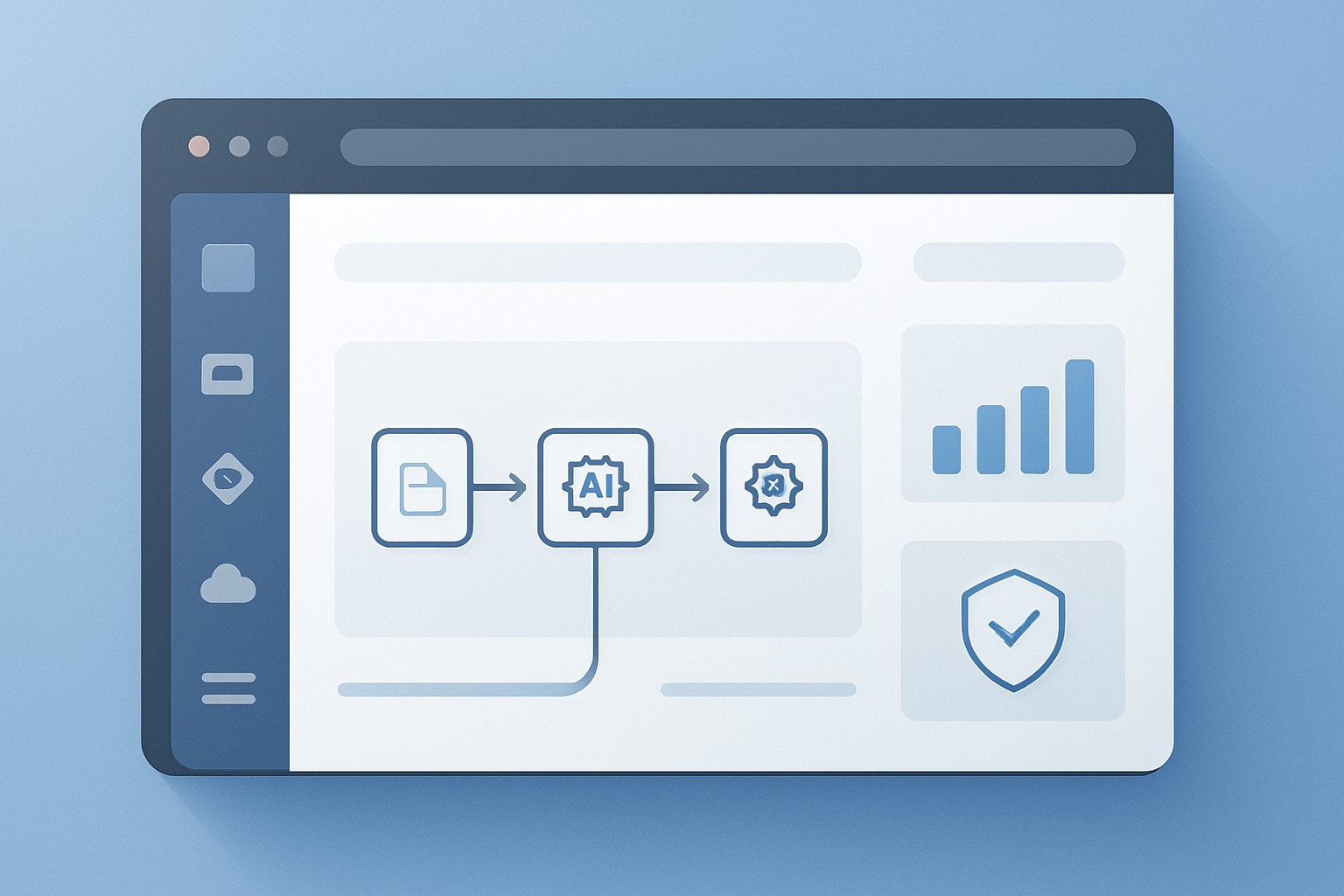
- Local AI Integration: Leveraging open-source local AI pipelines can automate workflows like billing, stock management, and attendance tracking without recurring API fees or data exposure risks.
- Cloud-Ready Architecture: Consider moving to lightweight cloud environments using containerization (Docker) to improve availability and reduce hardware investments.
- Cross-Platform Mobile Support: Adopting frameworks like Flutter or React Native enables simultaneous Android and iOS app development to extend ERP access to mobile devices.
Security First: Protecting Data in Modern ERP Systems
Data breaches and compliance risks are real concerns, especially in sectors handling sensitive employee and financial information. Modern ERP upgrades should include:
- Encrypted Data Storage: Employ database encryption and secure communication layers to prevent unauthorized access.
- Role-Based Access Control: Fine-grained permissions ensure only authorized users access relevant data.
- Local Hosting Options: Using on-premise or private cloud hosting can address regulatory data residency requirements.
- Automated Audit Trails: Logs help monitor changes and detect suspicious activities quickly.
Comparison: Legacy Manual vs Automated Modern ERP Workflows
| Aspect | Legacy Manual ERP Workflow | Automated Modern ERP Workflow |
|---|---|---|
| Data Entry | Manual, prone to errors, duplication | Automated validation, barcode scanning, reduced errors |
| Integration | Isolated modules, limited interoperability | Unified platform with API and mobile app integrations |
| Security | Basic passwords, minimal encryption | Encrypted data, multi-factor authentication |
| Reporting | Manual report generation, delayed insights | Real-time dashboards, AI-driven analytics |
| Maintenance | High dependency on legacy skills, costly fixes | Modular updates, community-supported open-source tools |
Frequently Asked Questions
- Can MSMEs afford ERP modernization without disrupting operations?
Yes, by adopting phased upgrades and modular software development, MSMEs can modernize critical functions without halting business. - How does local AI integration reduce ERP costs?
Local AI pipelines eliminate recurring API charges and keep business data within secure infrastructure, reducing operational expenses. - Is cloud hosting suitable for all MSMEs?
Cloud adoption depends on data sensitivity and regulatory norms; hybrid or private clouds offer flexible, secure options. - Which mobile frameworks work best for ERP extensions?
Flutter and React Native are popular for rapid cross-platform development with excellent UI/UX.
The Laysan Technologies Action Plan
Modernizing legacy ERP systems doesn’t have to be prohibitively expensive or risky. Laysan Technologies Pvt. Ltd. offers tailored custom software development and local AI integration services designed for Indian MSMEs seeking secure, scalable, and cost-effective ERP upgrades. Whether it’s modular migration from PHP or .Net legacy platforms, mobile app development with Flutter or React Native, or deploying open-source AI pipelines to automate workflows and reduce ongoing costs, our team can help you build a future-ready ERP environment.
Bridge your operational gaps with scalable custom software engineering or ready-to-deploy software products. Schedule a strategic technology consultation with our enterprise architecture team at Laysan Technologies today to build, modernize, and scale your business applications securely.