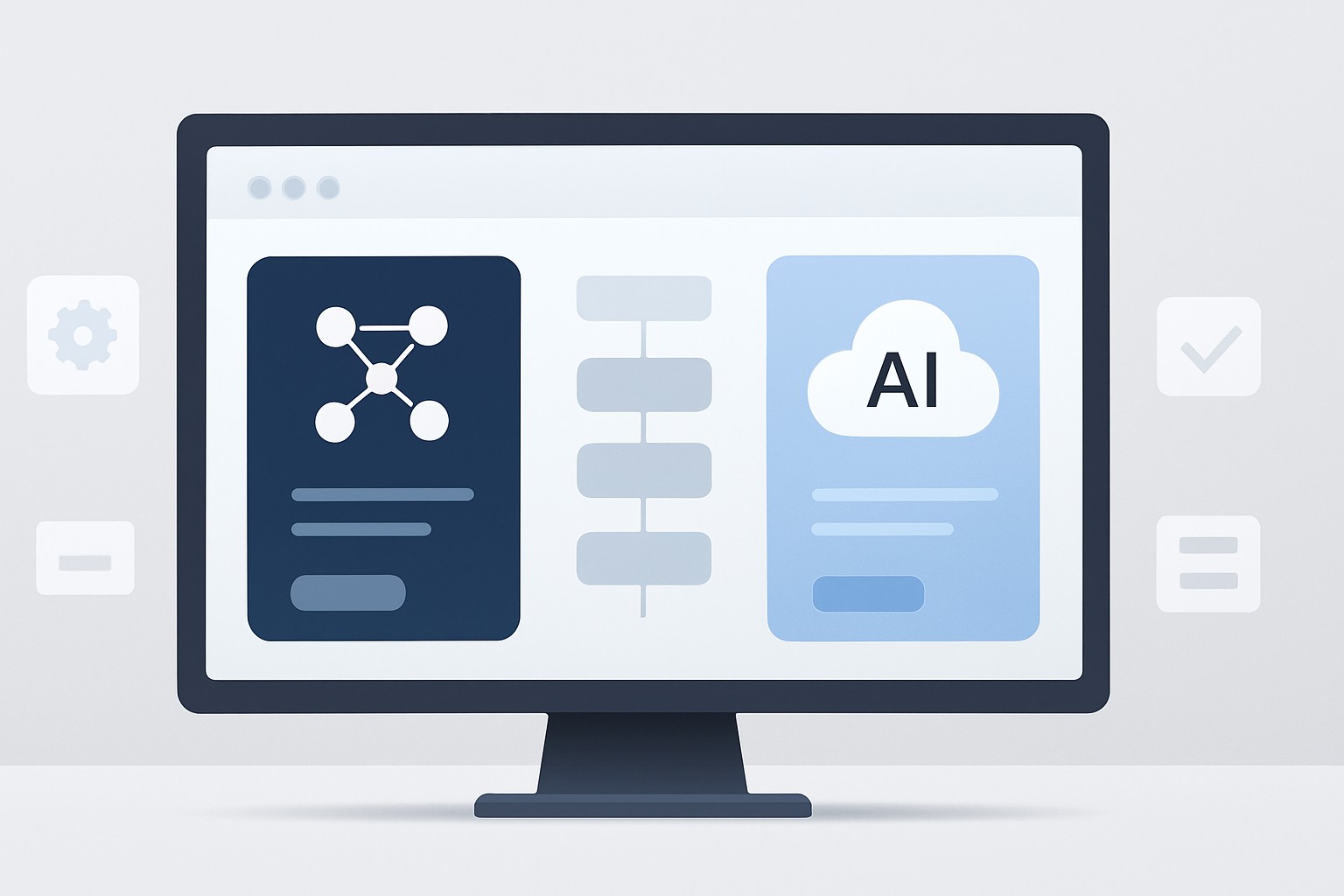
Indian enterprises face critical choices in 2026 when investing in new software systems. Should they opt for off-the-shelf SaaS products, gaining rapid deployment and lower upfront costs? Or is custom software development a better fit for unique workflows, enhanced control, and long-term flexibility? This article unpacks these considerations to help business leaders, CTOs, and procurement teams understand the tradeoffs and make a technology choice aligned with their strategic goals.
Understanding SaaS Product Development
Software as a Service (SaaS) products are cloud-hosted applications available via subscription. They offer quick onboarding, automatic updates, and lower upfront capital expenditure since the vendor manages infrastructure, maintenance, and security. Indian businesses commonly use SaaS for CRM, accounting, HRMS, and ecommerce platforms.
Modern SaaS development emphasizes multi-tenant architecture, enabling providers to serve many customers using shared infrastructure while isolating data securely. This model supports scalability and rapid feature delivery but can limit deep customization.
The Case for Custom Software Development
Custom software is built specifically to an enterprise’s requirements, often integrating legacy systems and aligning with complex business logic. In India, enterprises with unique operational workflows, compliance needs, or niche market demands find custom development indispensable.
Custom solutions offer complete control over the software environment, enabling tailored security models, integration with proprietary databases, and adaptable feature evolution. While initial costs and timelines are typically higher, the total cost of ownership can be lower over time if the software remains core to the business.
Key Factors to Compare
- Cost Structure: SaaS usually involves predictable monthly or annual fees but can accumulate significantly with scale or additional modules. Custom development has upfront expenses but avoids recurring SaaS license costs.
- Customization: SaaS products offer configurable settings but may not support unique workflows or integrations. Custom software is built to exact specifications, supporting business differentiation.
- Security and Compliance: SaaS providers handle security centrally, which simplifies management but raises data sovereignty and regulatory compliance questions for Indian enterprises, especially in sectors like education, healthcare, or finance. Custom software can embed specialized security measures and comply precisely with Indian regulations including data protection laws.
- Scalability and Performance: SaaS scales easily with cloud infrastructure, but performance depends on vendor capacity and shared environments. Custom apps can be optimized for specific workloads and infrastructure, supporting enterprise-grade throughput.
- Control and Ownership: SaaS users depend on vendors for feature updates, pricing changes, and data portability. Custom software grants full ownership of source code and deployment, reducing vendor lock-in and enabling long-term strategic independence.
When to Choose SaaS
SaaS fits well if your enterprise:
- Needs rapid deployment with minimal IT overhead.
- Operates standard business processes with low customization needs.
- Prefers predictable operating expenses over capital investment.
- Is open to cloud hosting with vendor-managed security.
When to Opt for Custom Software Development
Custom development is advisable when your organization:
- Has unique or complex workflows that off-the-shelf software cannot support.
- Requires stringent data security, localization, or compliance aligned with Indian laws.
- Seeks full control over software evolution and integration with existing enterprise systems.
- Plans for long-term software ownership to reduce dependency on third-party SaaS vendors.
Practical Takeaway: Evaluating Your Software Strategy
Begin with a thorough business process analysis and technology audit. Clarify critical requirements such as data ownership, compliance, integration needs, and scalability expectations. Consider total cost of ownership, including hidden costs like data migration or SaaS overage fees.
Engage technology advisors or software development partners experienced in both SaaS ecosystems and custom engineering to map out scenarios. For example, Laysan Technologies offers expertise in Indian enterprise software modernization, custom ERP development, and SaaS product engineering, helping organizations choose the best path.
Ultimately, the decision between SaaS and custom software development is not binary. Many enterprises pursue hybrid approaches, starting with SaaS to validate processes and later investing in custom software to address evolving needs. Indian businesses benefit from aligning technology choices with their operational realities and growth strategies rather than trend-driven impulses.