Indian Micro, Small, and Medium Enterprises (MSMEs) are increasingly keen on adopting Artificial Intelligence (AI) to streamline operations and gain competitive advantages. However, reports indicate that nearly 28% of enterprise software budgets are spent on unwanted changes, limiting funds available for AI innovation. For MSMEs operating on tight margins, this trend poses a practical challenge: how to optimize existing software investments and carve out budget for AI-driven automation without disrupting business continuity.
Understanding the Cost Drivers in Enterprise Software
Enterprise software often suffers from complexity, legacy system constraints, and frequent customization requests. These factors lead to high maintenance costs, slow response to business needs, and ballooning change requests that drain budgets.
- Legacy systems and outdated tech stacks: Many Indian MSMEs rely on aging software platforms such as .Net Web Forms or older PHP frameworks, which require extensive patching and costly support.
- Frequent ad-hoc customizations: Business operators often request quick fixes to meet emerging requirements, causing unplanned development work and integration issues.
- Lack of automation and process integration: Manual workflows increase errors and operational drag, prompting repeated software tweaks rather than strategic improvements.
Why Reducing Unwanted Changes Matters for AI Adoption
AI integration demands a stable, flexible software environment. If a large chunk of IT spend is siphoned off for unnecessary tweaks, MSMEs lose the chance to invest in scalable automation like local Large Language Models (LLMs), intelligent data extraction modules, or automated media production streams.
Without addressing root causes of cost overruns, AI projects risk delays or underperformance. Furthermore, recurring third-party AI API bills add to operational expenses, making embedded, open-source AI pipelines a more sustainable choice for Indian enterprises.
Strategies to Control Software Costs and Enable AI Innovation
- Audit and rationalize existing software: Identify legacy components that inflate maintenance costs and consider modernization through frameworks like Laravel or .Net Core for web applications, or Flutter and React Native for cross-platform mobile apps.
- Prioritize automation of routine workflows: Use custom-built automated workflows and integrated ERP modules to eliminate manual processes, reducing change requests driven by process inefficiencies.
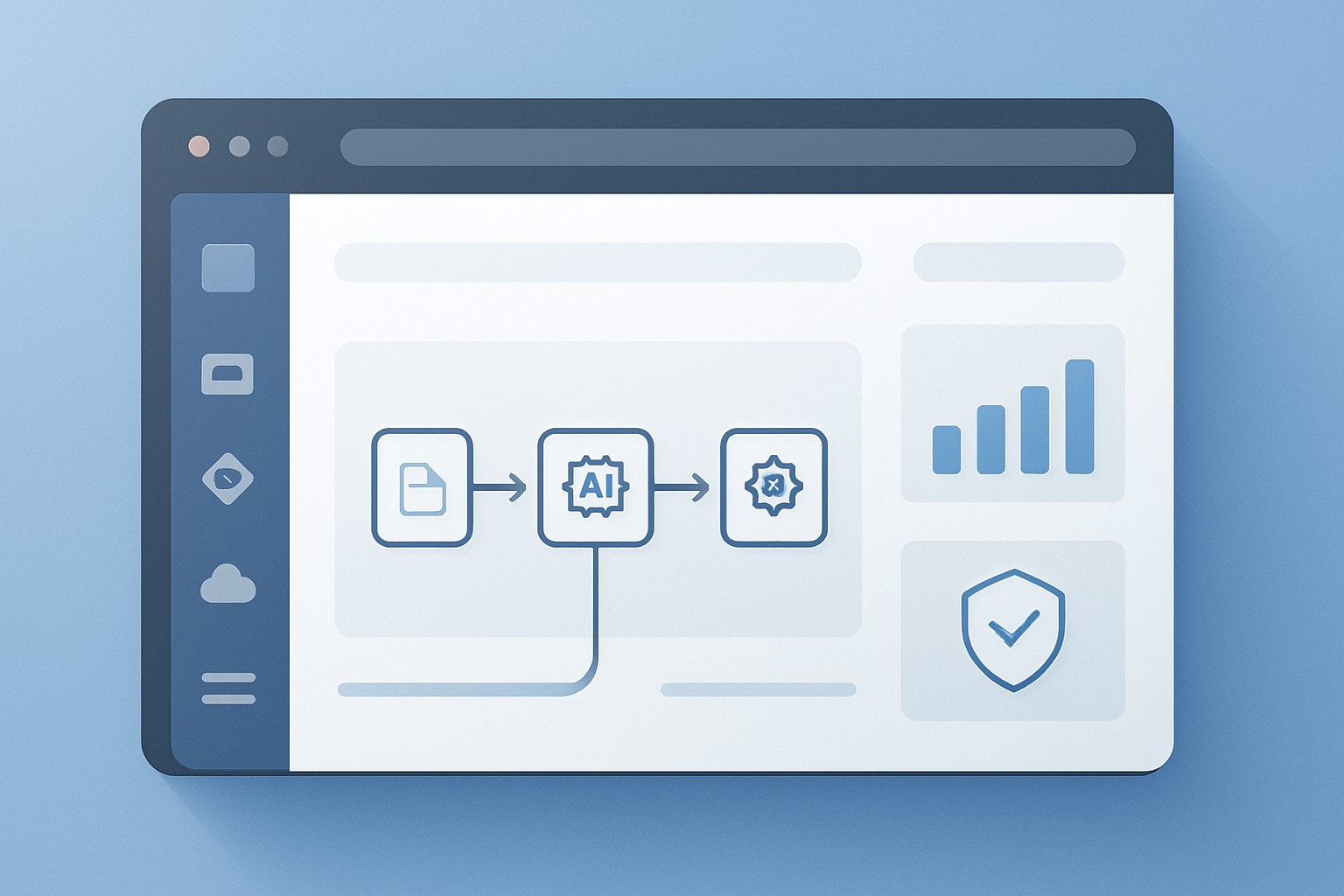
- Embed local AI pipelines: Replace expensive AI API dependencies with open-source, on-premise AI models that run within your secure infrastructure, cutting recurring fees and improving data security.
- Implement modular, scalable architectures: Adopt MERN stack or microservices-based development to enable incremental updates and reduce costly large-scale overhauls.
- Partner with technology providers experienced in Indian MSME challenges: Vendors who understand local regulatory, budget, and operational realities can design tailored solutions that balance innovation with cost control.
Comparison: Legacy Manual Workflows vs Automated Agentic Workflows
| Aspect | Legacy Manual Workflow | Automated Agentic Workflow |
|---|---|---|
| Process Speed | Slow, prone to delays | Fast, near real-time execution |
| Error Rate | High due to manual data entry | Minimal through automation and validation |
| Change Requests | Frequent due to inflexible systems | Reduced with modular, scalable design |
| AI Integration Cost | High recurring third-party API fees | Low-cost local AI pipeline implementation |
| Data Security | At risk from external API calls | Maintained with on-premise, closed AI models |
FAQ: Managing Enterprise Software Costs for AI Innovation
- How can MSMEs identify which software changes are unnecessary?
- Conduct a detailed software usage and change request audit, focusing on business impact and frequency. Prioritize changes that align with strategic goals and automate processes to reduce ad-hoc requests.
- What technologies are suitable for modernizing legacy enterprise applications?
- Modern frameworks like Laravel, CodeIgniter, .Net Core for web apps, and Flutter or React Native for mobile apps provide flexibility and easier maintenance. Modular architectures improve scalability.
- Why choose local AI pipelines over cloud-based AI APIs?
- Local AI pipelines reduce recurring API costs, improve data privacy by keeping sensitive data in-house, and offer faster processing, critical for Indian MSMEs concerned with budget and security.
- Can automation really reduce software maintenance costs?
- Yes. Automating routine workflows reduces manual interventions, lowers error rates, and stabilizes software use cases, thereby decreasing costly change requests and support calls.
The Laysan Technologies Action Plan
Bridge your operational gaps with scalable custom software engineering or ready-to-deploy software products. Schedule a strategic technology consultation with our enterprise architecture team at Laysan Technologies today to build, modernize, and scale your business applications securely. Our expertise in local AI pipelines and ERP automation is designed to help Indian MSMEs cut down software costs while unlocking AI innovation potential.