Artificial intelligence powers many modern business workflows — but for Indian enterprises and MSMEs, integrating AI often comes with hefty recurring costs and data privacy concerns. Traditional reliance on costly third-party AI APIs can quickly inflate operational expenses and expose sensitive business information.
Why Indian Enterprises Struggle with Conventional AI Integration
Most enterprise AI solutions depend on cloud-based commercial APIs. These services charge per token or per data request, leading to unpredictable monthly bills that scale with usage. For Indian businesses, especially midsize firms or educational institutes, these costs can surpass expected budgets, limiting AI adoption.
Additionally, transmitting proprietary data to external AI servers raises security and compliance risks. Sensitive HR data, examination materials, or financial information processed on third-party platforms can be vulnerable to breaches or unauthorized use.
Open-Source Local AI Pipelines: The Practical Alternative
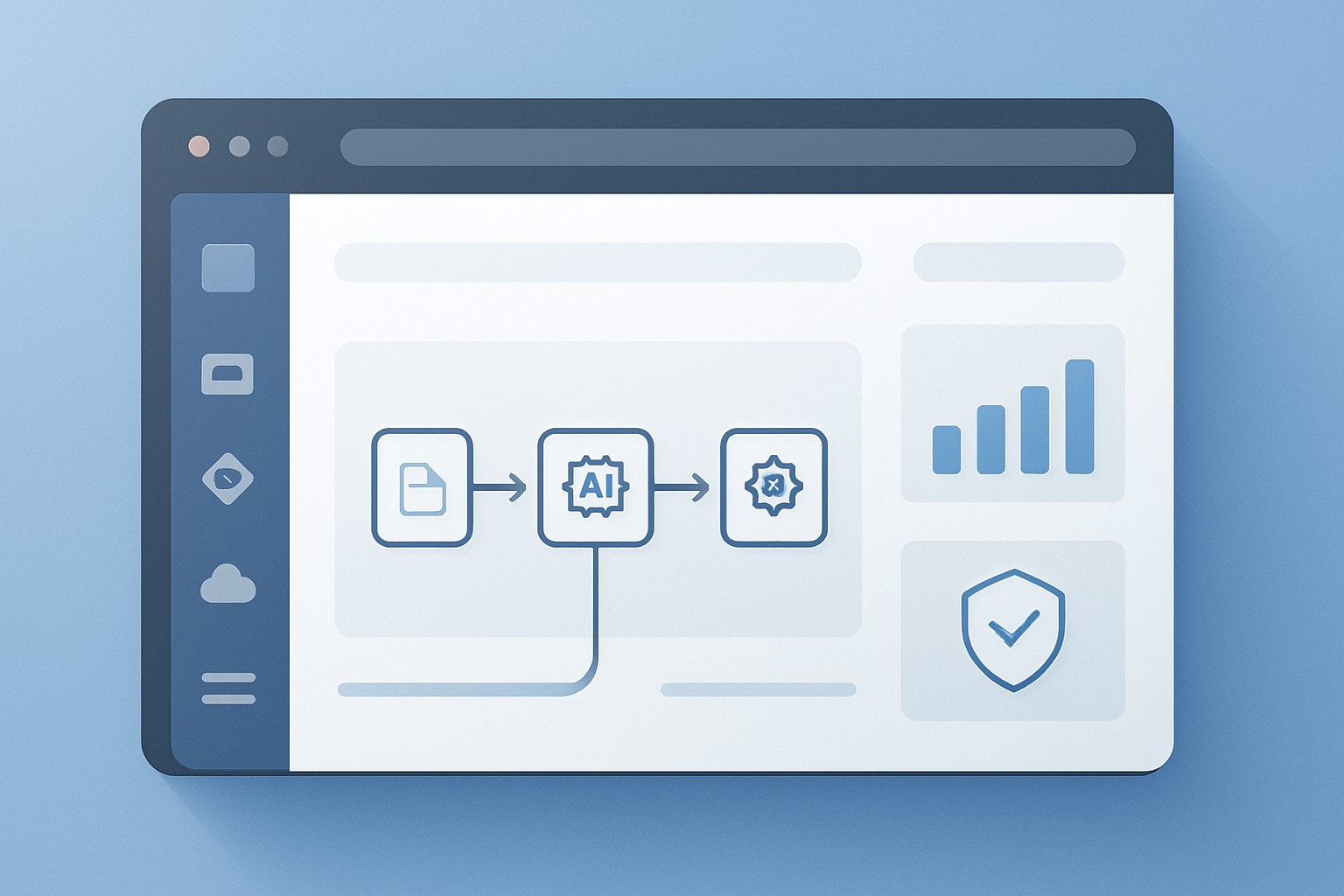
Open-source local AI pipelines offer a way to embed AI capabilities inside your own infrastructure. By deploying language models, image/video generation engines, or data parsing tools on in-house servers, businesses gain:
- Near-zero recurring API fees: No per-call charges since the AI runs internally.
- Data control and security: Proprietary business data never leaves your secure network.
- Customization flexibility: Tailor AI workflows to your exact business logic and requirements.
- Performance consistency: Reduced latency from local hosting ensures faster processing.
Comparing Legacy Manual Workflows and Automated Local AI Pipelines
| Aspect | Legacy Manual or Third-Party AI Workflow | Automated Local AI Pipeline Workflow |
|---|---|---|
| Cost Structure | High and variable due to paid API calls or manual labor hours | Fixed infrastructure cost, minimal variable cost, no API fees |
| Data Security | Data transmitted externally; risk of leaks or regulatory non-compliance | Data stays within enterprise network, enhancing privacy and compliance |
| Scalability | Limited by API quotas or manual processing capacity | Scalable with infrastructure upgrades and optimized code |
| Customization | Restricted by third-party API capabilities or rigid manual processes | Full control to adapt AI to specific business needs |
| Speed and Latency | Network delays and API throttling can slow response times | Fast local processing, minimal network latency |
Real-World Use Cases in Indian Enterprises
Consider an educational institution managing large-scale examinations. Using local AI pipelines for on-screen marking automates evaluation while keeping confidential answer sheets secure within the campus network.
Manufacturing or logistics firms can deploy automated data extraction and barcode recognition AI hosted on-premise, eliminating delays and costly external API usage in their inventory management.
Similarly, service booking platforms or HRMS systems benefit from embedded AI chatbots and workflow automation that operate safely behind the enterprise firewall.
Implementing Local AI Pipelines: Key Considerations
- Infrastructure readiness: Assess server capabilities and network architecture to host AI models effectively.
- Open-source model selection: Choose frameworks and models that fit your business domain and can run efficiently on available hardware.
- Integration scope: Plan how AI pipelines will embed into existing software such as ERP systems or custom web applications.
- Skill availability: Ensure teams or partners can maintain and optimize local AI workflows.
FAQs
- Q: Will local AI pipelines replace cloud AI completely?
Local AI pipelines reduce reliance on cloud APIs but hybrid architectures can balance cost, scalability, and feature updates. - Q: Are local AI models as capable as cloud-based ones?
Open-source models are rapidly improving and often sufficient for domain-specific tasks, especially when customized locally. - Q: How do we start migrating from costly API-based AI?
Begin by identifying high-cost workflows, pilot local AI deployment on targeted tasks, then scale gradually.
Bridge your operational gaps with scalable custom software engineering or ready-to-deploy software products. Schedule a strategic technology consultation with our enterprise architecture team at Laysan Technologies today to build, modernize, and scale your business applications securely. We specialize in designing 100% open-source local AI pipelines that integrate seamlessly with your ERP, examination, and workflow automation systems to cut AI integration costs and safeguard your data.