Indian enterprises today face a critical decision when adopting new software: should they opt for custom software development tailored to their unique workflows, or choose ready-made solutions that promise faster deployment and lower upfront costs? Both approaches have their merits and limitations, shaped by factors like business complexity, regulatory requirements, budget, and scalability.
Understanding the Landscape: Custom vs Ready-Made Software
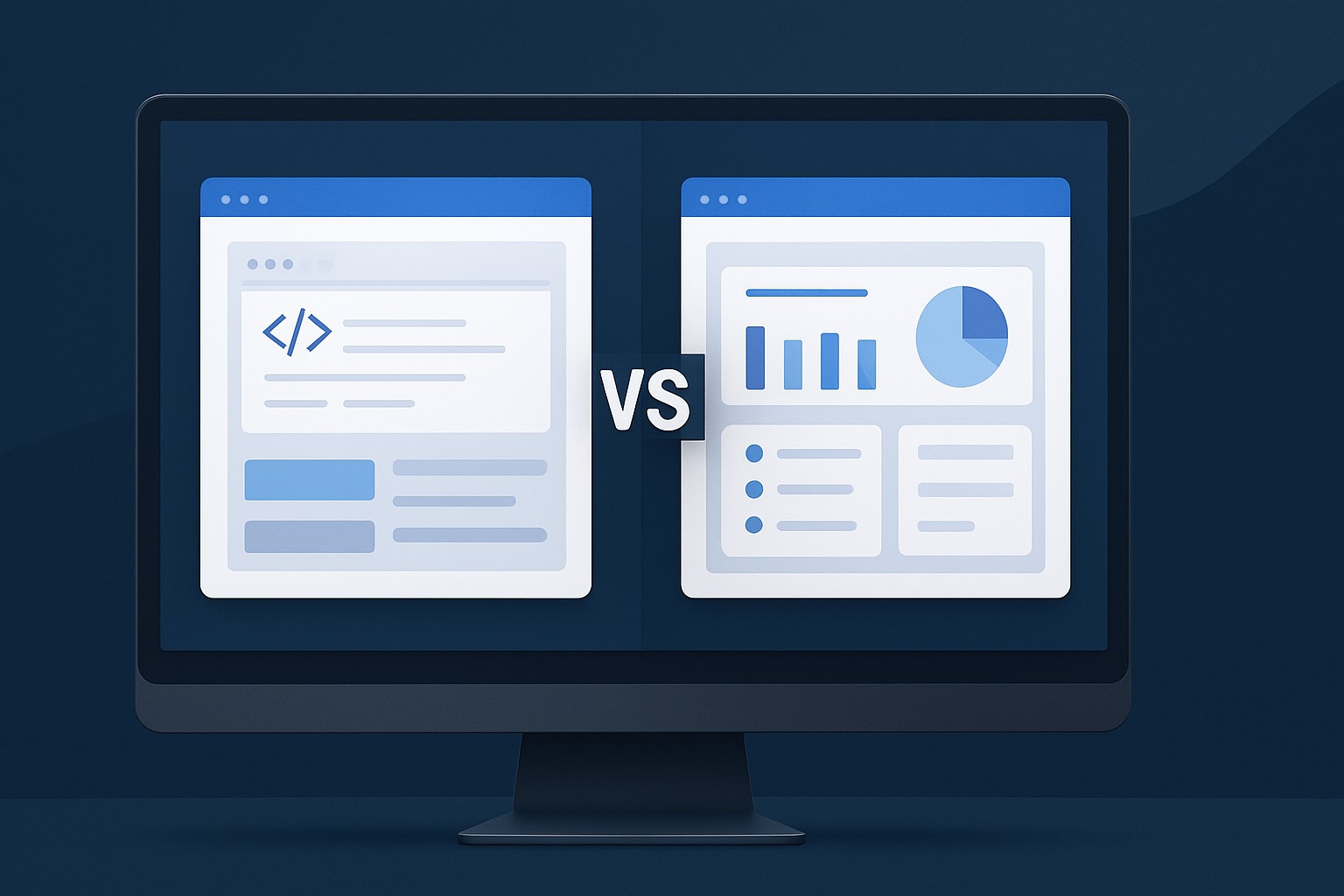
Ready-made software comes pre-built with general features targeting broad market needs—examples include popular ERP suites, CRM platforms, or ecommerce storefronts. They often offer faster onboarding and predictable pricing but can require compromises on workflow fit and data control.
Custom software development, by contrast, involves building applications from scratch or extensively tailoring existing frameworks to address specific business processes. This approach demands more initial investment and longer timelines but can unlock competitive advantages through precise feature alignment, integration flexibility, and ownership of intellectual property.
Key Considerations for Indian Enterprises in 2026
- Regulatory Compliance and GST Integration: India’s evolving tax landscape with GST and compliance requirements often necessitates software customization to ensure accurate invoicing, reporting, and audit trails.
- Data Privacy and Security: With recent Indian data protection regulations and increasing cybersecurity threats, enterprises must assess solutions for control over sensitive business data. Custom software often allows tighter security controls to meet these needs.
- Scalability and Integration: Many Indian businesses operate across multiple states and diverse systems. Custom development enables seamless integration with legacy applications, banking APIs, and third-party logistics platforms.
- Cost and Time to Market: Smaller companies or startups may prefer ready-made software for quicker deployment, especially when budget constraints are tight. Larger enterprises with complex operations might justify custom projects as long-term investments.
Implementation Challenges and Mitigation Strategies
Custom development requires clear requirement gathering, skilled technology partners, and iterative testing to avoid cost overruns or misaligned outcomes. Enterprises should prioritize vendors with proven domain expertise, such as those familiar with Indian business and education sectors.
Ready-made software buyers must evaluate product maturity, vendor support quality, localization capabilities (e.g., multi-language support), and upgrade policies to minimize disruption.
Real-World Example: Legacy ASP.NET Web Forms Modernization
A common scenario in India involves legacy software modernization, where outdated ASP.NET Web Forms applications are either replaced by off-the-shelf ERP or redeveloped using modern stacks like ASP.NET Core or Laravel. Custom modernization projects allow enterprises to retain critical business logic and integrate GST-compliant billing modules while improving security and performance.
Practical Takeaways for Decision Makers
- Conduct a thorough business process audit to identify unique workflows and pain points.
- Evaluate total cost of ownership, including licensing, customization, integration, and future maintenance.
- Consider hybrid approaches: start with ready-made solutions supplemented by custom modules or APIs.
- Engage technology partners who understand local compliance, performance, and scalability demands.
- Plan for post-deployment support, regular updates, and user training to maximize ROI.
Organizations planning a similar application can explore Laysan Technologies’ custom software development services, which emphasize secure, scalable, and business-aligned solutions tailored for Indian enterprise requirements.